Wet stock, variance and SIRA compliance in one governed workflow.
FuelSync standardises reconciliations, variance checks, alarms and SIRA reporting across your entire network. It delivers a governed, enterprise-grade wet stock workflow that eliminates spreadsheets and produces regulator-ready SIRA outputs in minutes. Supports bulk SIRA uploads and Excel-based multi-site imports for rapid onboarding.
FuelSync brings tank readings, deliveries, sales, alarms, investigations and SIRA obligations together into one governed workflow. Every site follows consistent rules and corporate teams gain full visibility of risk, performance and variance trends across the entire network. Organisations looking for a more governed approach to reconciliation workflows, loss/gain monitoring and exception management can also explore our SIRA Compliance Software solution.
Standardised SIRA-Based Reconciliation
Unified daily reconciliation workflow
FuelSync applies structured reconciliation logic across all sites, ensuring consistent readings, deliveries and sales alignment
SIRA-aligned variance tolerance rules
Variance detection follows standard tolerances aligned with AS 4897 and EPA SIR guidance for accurate, regulator-aligned reporting.
Bulk SIRA & multi-site imports
Upload SIRA data for one or many sites using Excel or compatible wet stock files from thirdparty systems.
Daily Reconciliations
Variance Detection
Automated Variance & Exception Handling
Automatic variance highlighting
Readings outside tolerance are flagged instantly, reducing the risk of missed losses.
Exception routing & escalation
FuelSync automatically assigns variance exceptions, sets due dates and escalates overdue items through the Vertex Pulse workflow engine.
End-to-end investigation workflows
Every variance can be tied to a structured investigation, calibration, maintenance action or approval — ensuring nothing is unresolved.
SIRA Powered by the Vertex Pulse Platform
Automatic evidence linking
Investigations, alarms, photos, ATG screenshots and maintenance events are automatically linked to the relevant reporting period.
SIR-based statistical engine
FuelSync uses the recognised EPA SIR methodology, the same statistical foundation embedded in AS 4897 (Australia) and CCME (Canada), ensuring accurate, regulator-aligned variance and leak-detection reporting.
Regulator-ready SIRA reports
Weekly and monthly SIRA reports include reconciliations, exceptions, actions taken and approvals — created in minutes.
Investigations
Evidence Vault
Smart rules and automation
Structured SIRA binders
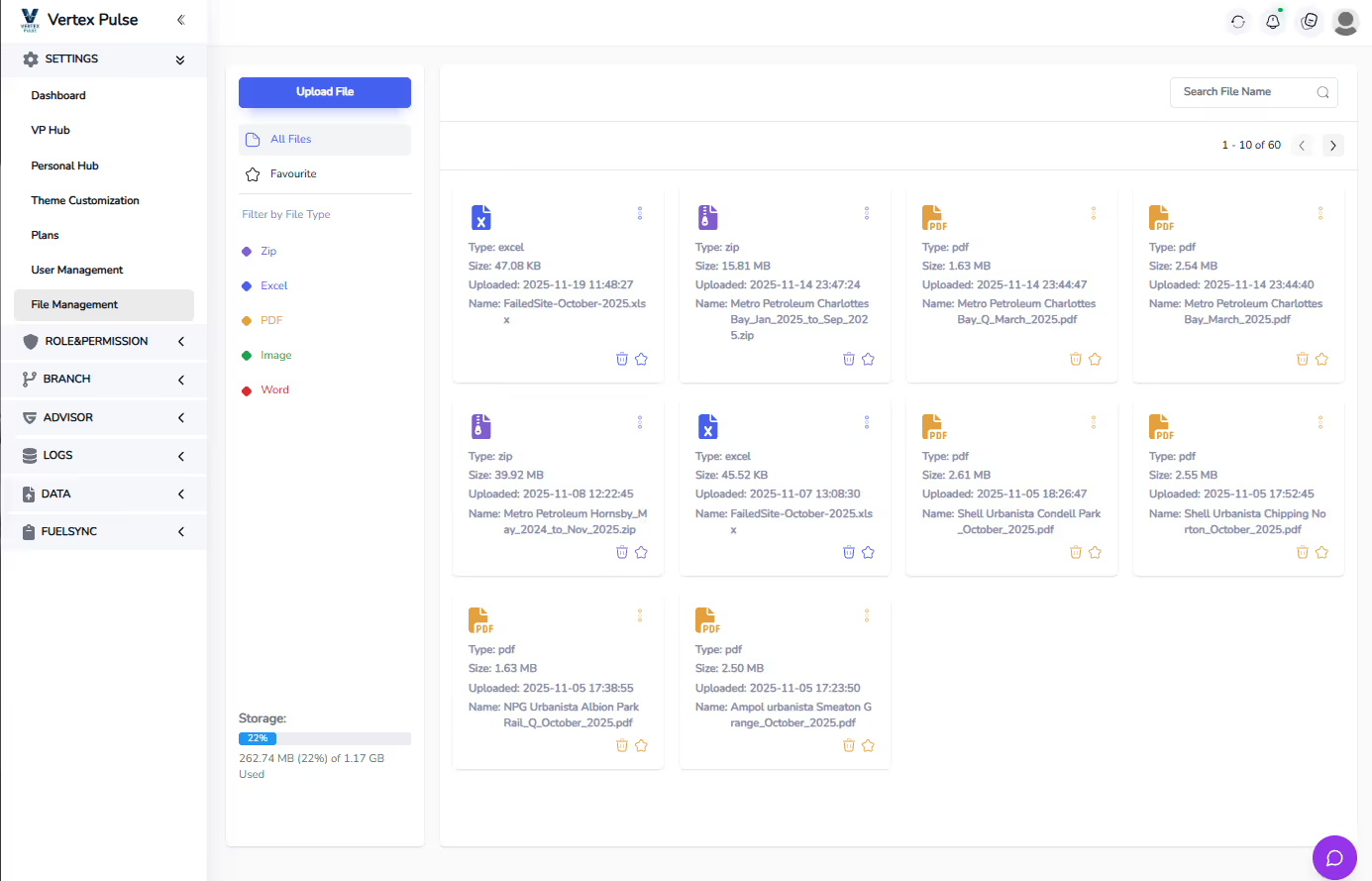
Documents, readings, dockets, photos and approvals are stored per site, tank and reporting period — always ready for audits.
Retention & version control
Every update, upload and approval is tracked, ensuring full history for regulators and internal assurance.
Multi-jurisdiction workflows
FuelSync supports compliance aligned to AS 4897 (AU), 40 CFR Part 280 (USA), EPA 510-B95-009 SIR guidance, CCME Code (CA) and WorkSafe NZ standards.
Other Features
Other core capabilities
Tank & product registry
Governed record of tanks, capacities, products and ATG configuration for each site.
Multi-region SIRA rulesets
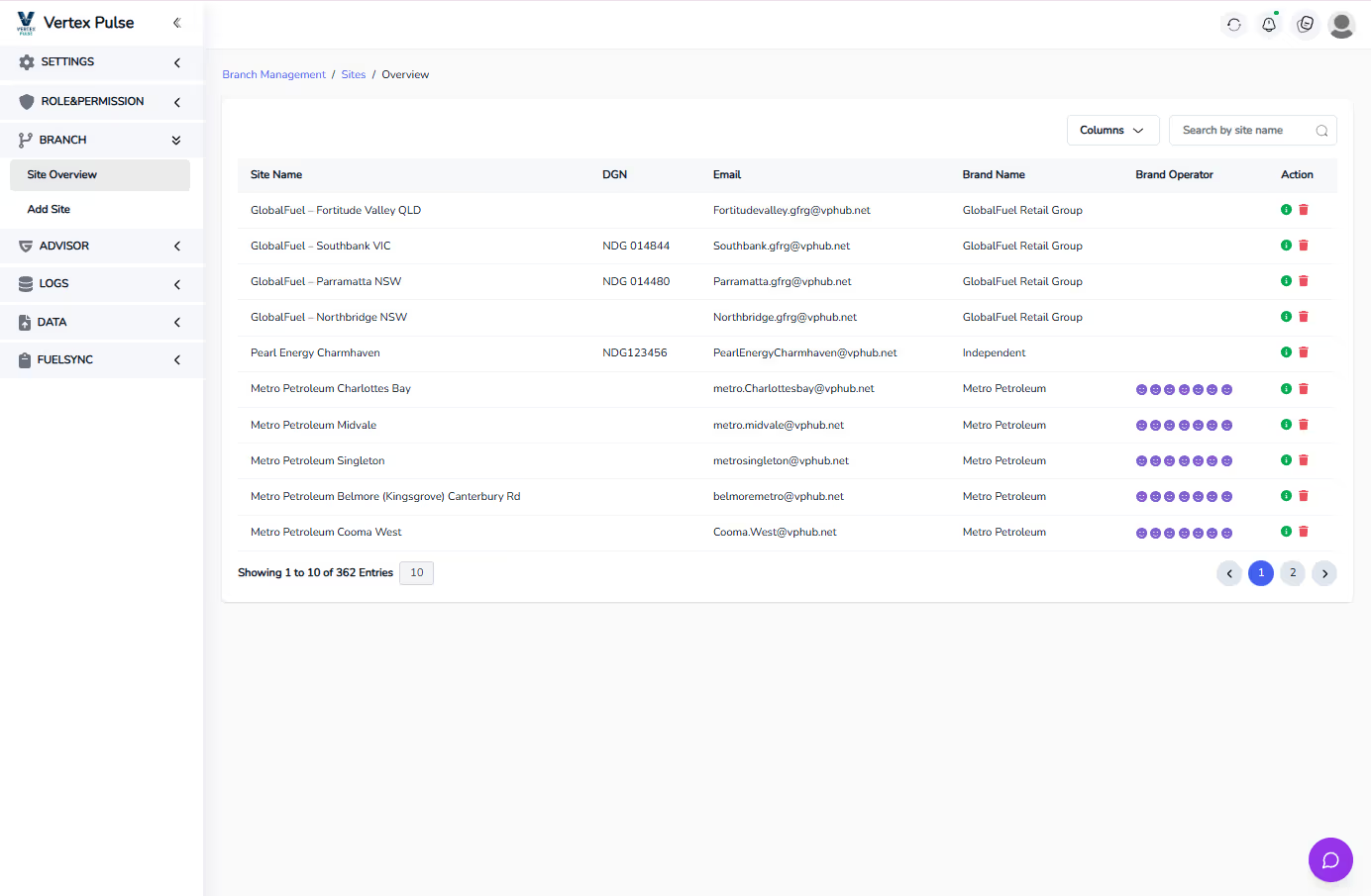
Configure different SIRA rulesets and tolerances per state or country while reporting centrally.
Asset & history timeline
View configuration changes, variances, investigations and repairs for each tank in one timeline.
Regulator-ready exports
Generate structured SIRA exports and supporting packs that align with regulator and auditor expectations.
Task & escalation engine
Ensure reconciliations, checks and follow-ups are completed on time with automated reminders and escalations.
Audit logs & permissions
Track every change, approval and closure with role-based access control for operations, compliance and external auditors.
Built for recognised UST/UPSS compliance standards
FuelSync can be configured to support international underground petroleum storage requirements.
AS 4897:2008
(Australia)
40 CFR Part 280
(USA)
EPA 510-B-95-009
(SIR guidance)
CCME Code of Practice
(Canada)
WorkSafe NZ UPSS Code
(New Zealand)
Connect Your Tools
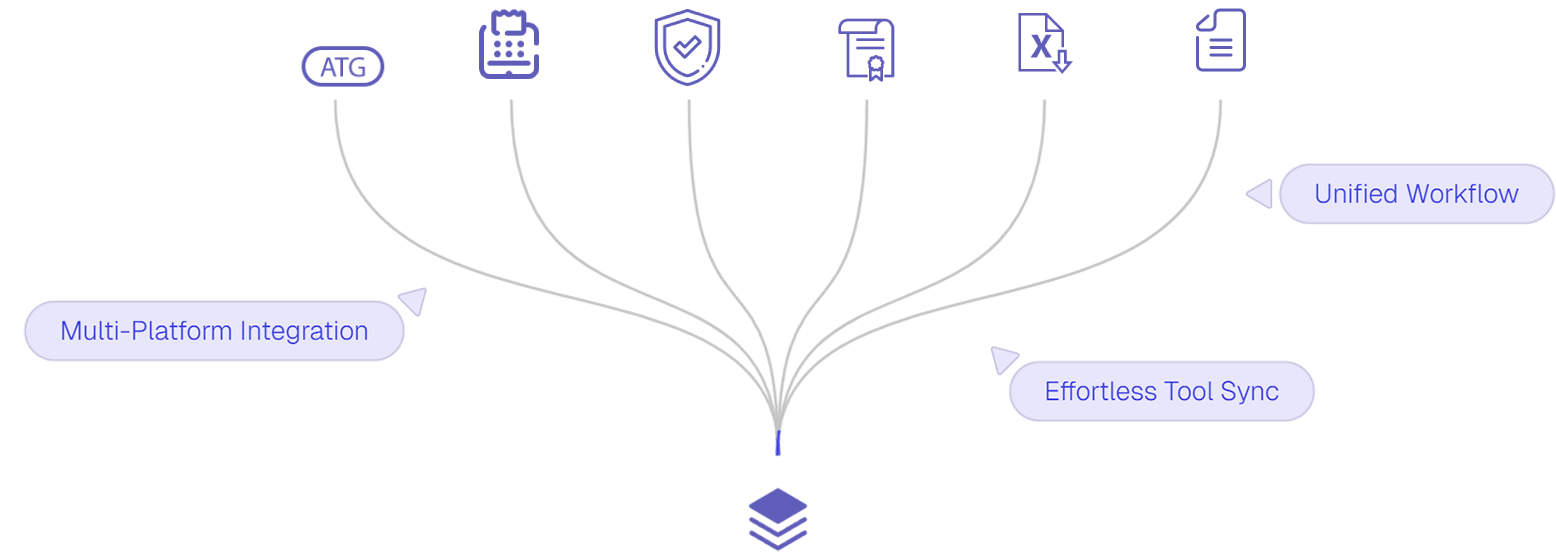
Built to connect your wet stock data
Our patent pending technology powers FuelSync’s ability to move beyond variance detection — orchestrating investigations based on detectability and uncertainty rather than static workflows.







.webp)